

Odds on New Prime Minister for UK General Election 2026

This guide is for anyone who fancies betting on who will be the next occupant of Number 10. This page breaks down the latest odds from top UK bookmakers on the contenders to become Prime Minister after the upcoming general election. We’ll look at the odds on new prime minister contenders, from the frontrunners to longshots, and highlight the best value bets to help you make informed decisions. Stay tuned as the campaign unfolds and the odds shift!

Bet £10 Get £30 In Free Bets
Bet £10 Get £30 In Free Bets
- Enhanced ACCAs & Wincasts
- Daily Free Bet Offers
- Safe & Secure UK betting site



£30 Matched Free Bet if your first Acca loses +50 free spins
£30 Matched Free Bet if your first Acca loses +50 free spins
- Massive jackpot available each round
- Numerous potential winners
- Available to All UK Customers

Bet £10, Get £30 In Free Bets
Bet £10, Get £30 In Free Bets
- Bet Builder, BetFeed & BetFinder tools
- Large number of in-play football markets
- Live football streaming available



Bet £10 Get £25 In Free Bets
Bet £10 Get £25 In Free Bets
- Combined odds of just 3/1 required to qualify for acca insurance offers
- Generous welcome offer
- Daily specials available


£50 in Free Bets When You Bet £10
£50 in Free Bets When You Bet £10
- Get Best Odds Guaranteed from 08:00
- Promotions galore from "the Bonus King"
- Home of the Lucky 15

Bet £10, Get £20 In Free Bets
Bet £10, Get £20 In Free Bets
- One Of The Newest Bookies On The Market
- Regular Price Boosts On Big Events
- Live Horse Racing Streaming



Bet £10 on Football Get £40
Bet £10 on Football Get £40
- Secure & reliable bookie
- Outstanding sports coverage
- Competitive odds across the board

Bet £10 Get £60 in Free Bets
Bet £10 Get £60 in Free Bets
- Offers both fixed odds and spread betting
- Ideal venue for live betting
- Best value fixed odds bookie for Premier League


Bet £10 Get £30 in Free Football Bet Builders
Bet £10 Get £30 in Free Football Bet Builders
- Comprehensive coverage of sports worldwide
- Multiple markets for almost every event
- Betting Exchange lets you bet like a bookie






Bet £20 and get it back as cash if it loses
Bet £20 and get it back as cash if it loses
- Widely regarded as the punter's friend
- Extensive horse racing coverage
- Famous for its novelty betting markets


£35 Free Bet + 10 Free Spins
£35 Free Bet + 10 Free Spins
- Free bet worth 5% of your total bets
- Min odds of 6/4 needed
- 1x free bet available daily



100% Welcome Offer Up To £50
100% Welcome Offer Up To £50
- Has been in operation since 2003 - over 20 years!
- Up to 100% boost on winning accumulators
- Clean & tidy site, looks great on mobile devices
Table of contents
Next Prime Minister Betting Odds 2024
As the general election campaign heats up, the bookies are constantly adjusting the odds on next UK Prime Minister. At the moment, the race seems to be firmly between the Labour Party’s Keir Starmer and the Conservative Party’s Rishi Sunak. The table below shows the latest betting odds from major UK bookmakers for the top dozen candidates to take over at 10 Downing Street. These odds are subject to change as the political winds shift, so be sure to check the latest prices before placing your bet.
| Candidate | Party | Typical Odds |
| Keir Starmer | Labour | 1/200 |
| Nigel Farage | Reform UK | 33/1 |
| Rishi Sunak | Conservative | 50/1 |
*Odds correct as of 09:00, 02/07/2024. Betting odds on new prime minister contenders are subject to change.
About the 2024 General Election
The upcoming general election marks a potential turning point in British politics. After 14 years of Conservative rule, the Labour Party is aiming to regain power under the leadership of Keir Starmer. The Tories have cycled through multiple prime ministers since the departure of Boris Johnson, with Rishi Sunak currently at the helm. Key issues likely to dominate the campaign include the cost of living crisis, the state of the NHS, and immigration.
Under the UK parliamentary system, voters will elect 650 Members of Parliament (MPs) to the House of Commons. The party that secures an outright majority of 326 seats will form the new government, with its leader becoming the next Prime Minister. If no party achieves a majority, a hung parliament results and parties must negotiate to build a coalition or governing agreement.
The election was expected towards the end of 2024, with it having to be held before January 2025 at the very latest. However, Rishi Sunak surprised the country by recently announcing that it’ll be held on July 4th – sooner than anticipated. Keep an eye on the odds on new prime minister hopefuls, as they’ll be changing constantly in the run-up.
All UK, Irish and qualifying Commonwealth citizens aged 18 and over on election day are eligible to vote, provided they have registered. Voter turnout in recent UK general elections has hovered around 65-70% (see this Turnout at Elections report from the House of Commons library).
Best Candidates for New Prime Minister
The field of potential candidates to be the next occupant of Number 10 includes both seasoned political veterans and some up-and-coming faces. To gear up for your UK election betting, here’s our assessment of the top contenders’ strengths, weaknesses and betting value as the campaign kicks into gear:
Keir Starmer
Sir Keir Starmer took over as Labour leader after the party’s bruising defeat in the 2019 election. A former Director of Public Prosecutions, Starmer has earned praise for his scrutiny of the government at PMQs. However, critics argue he lacks charisma and has struggled to articulate a clear vision for Labour. Starmer’s strategy appears to be positioning Labour as a competent, moderate alternative to the Tories. If he can maintain message discipline and keep his party’s left flank in check in the run-up to July, Starmer has a very strong shot of becoming PM. He’s consistently coming out on top in the next prime minister odds – a solid choice!
Rishi Sunak
Prime Minister Rishi Sunak is fighting to secure the Conservatives a historic fifth term in power. He won plaudits for his steady handling of the economy as Chancellor during the pandemic. But Sunak’s wealthy background and tax controversies have led to charges that he’s out of touch with ordinary voters. His biggest asset may be his communication skills – if Sunak can effectively sell his vision of low-tax, pro-growth conservatism while sounding suitably prime ministerial, the Tories may defy the daunting polls and retain their majority.
Penny Mordaunt
Trade Minister Penny Mordaunt came close to beating Rishi Sunak in the contest to succeed Boris Johnson. Pitching herself as a fresh face untainted by scandals, the Brexiteer and Royal Navy reservist enjoys strong grassroots support. But to reach Number 10, she’ll need to build her public profile and prove she has the experience for the top job. Mordaunt appeals as an outside bet – if both Starmer and Sunak stumble, Tories may turn to her as a winner.
Andy Burnham
Greater Manchester mayor and former Labour cabinet minister Andy Burnham has repeatedly denied he’s angling to succeed Starmer. But that hasn’t stopped persistent rumours he could launch a leadership challenge if Labour’s poll lead crumbles. The affable Burnham ticks a lot of boxes: a northerner who’s held senior posts while avoiding Westminster intrigue. Some doubt he has the killer instinct to rise to the very top. But if Starmer fails to seal the deal, expect Burnham to feature in any Labour leadership scramble.
Jeremy Hunt
Chancellor Jeremy Hunt has become the reassuring public face of the Sunak government’s economic agenda. By exuding calm competence in a time of turmoil, he’s earned the “safe pair of hands” title once bestowed on him as Health Secretary. Hunt’s best hope of becoming PM likely involves him delivering tangible economic improvements as Chancellor, stepping in as a unity candidate if Sunak falters. But daunting headwinds may deny him that chance to shine.
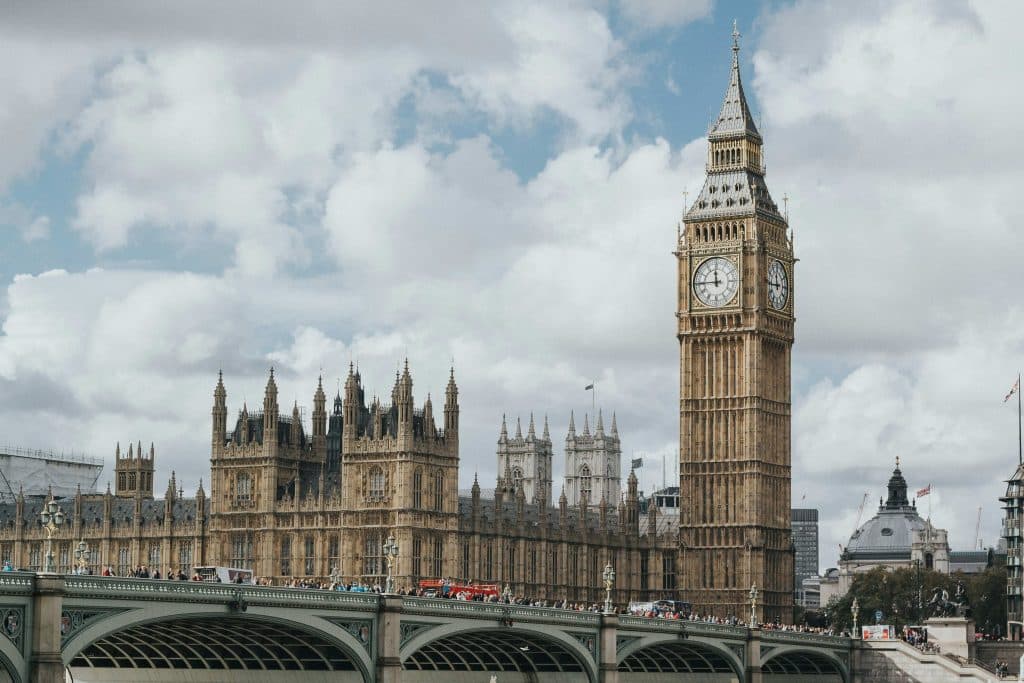
UK General Election Betting Markets
In addition to wagering on the next Prime Minister, punters can also bet on a wide range of outcomes related to the general election. From the number of seats each party will win to the identity of the next Chancellor, political betting sites offer odds on just about every aspect of the vote. Here are some of the most popular UK general election betting markets.
Most Seats
The “most seats” market is one of the simplest and most popular in UK election betting. Rather than predicting the overall winner, you’re simply betting on which party will secure the largest number of MPs. This could be a good option if you expect a hung parliament where the party with the most seats may not necessarily form the government.
Overall Majority
Think you know whether the election will produce a decisive result or a hung parliament? The overall majority market is for you. Bookmakers offer odds on whether any party will secure the 326 seats needed for an outright Commons majority. You can also bet on the exact seat totals for each party, or go for an over/under wager on a specified number of seats.
Prime Minister After Election
We’ve already discussed betting on the next Prime Minister, but you can also place a more specific wager on who will be PM immediately following the election. This factors in the possibility that the current PM could win the most seats but lose their own constituency, or that a lesser-known figure might emerge as a compromise choice after a hung parliament.
Constituency Betting
For political junkies who follow every twist and turn of the campaign, constituency betting offers the chance to put your local knowledge to the test. You can bet on the winner of any individual constituency, or take advantage of special odds on high-profile races like the Prime Minister’s seat. Just be sure to keep an eye on how boundary changes have altered the electoral maths in certain areas.
Turnout Percentage
Will voters flock to the polls or stay home on election day? The turnout percentage market allows you to bet on the exact figure or choose an over/under wager. Turnout for recent UK general elections has ranged from a high of 77.7% in 1992 to a low of 59.1% in 2001. Weather, the closeness of the race, and the perceived importance of key issues can all affect betting on new prime minister.
Prime Minister Betting Tips
Betting on political outcomes like the odds on new Prime Minister can be a fun way to add excitement to the campaign season. But it's important to approach these wagers with a clear strategy in mind. Here are a few tips to help you make smart bets and hopefully turn a profit.
-
Follow the Polls, But Don't Fixate
Opinion polls are a useful gauge of the political mood, but they're not always reliable predictors of election results. Pay attention to the overall trend in Prime Minister polling when trying some UK election betting, but don't overreact to individual surveys, especially early in the campaign. Pollsters may adjust their methodologies as the election approaches, so the numbers can shift. -
Consider the Electoral Map
The UK's first-past-the-post electoral system means that a party's vote share doesn't always translate into an equivalent number of parliamentary seats. When assessing a potential Prime Minister's chances, look at where their party is competitive and how many marginal constituencies they're targeting. A surge in national support won't help if it's concentrated in safe seats. -
Evaluate the Candidates' Strengths and Weaknesses
Winning a general election requires a leader who can connect with voters, handle media scrutiny, and rally their party behind a coherent message. As you’re betting next prime minister, consider their communication skills, campaign organisation, and ability to unite disparate factions. Perceived weakness in any of these areas could undermine their chances. -
Look for Value in Longshots
While the betting odds tend to favour the leaders of the main parties, upsets can happen. If you sense that public opinion is shifting away from the favourites, don't be afraid to take a chance on a longshot candidate. Just be sure to balance your risk by also placing safer bets. A small wager on an underdog could pay off big if your hunch proves correct. -
Keep an Eye on the Pound
Certain events may trigger a sudden increase in the number of bets placed on the next PM outcome. For example, a scandal or a perceived success can make bettors think a particular candidate is suddenly more or less likely to win. Bookmakers adjust their odds to maintain their profits amidst these swings in demand and perception. So if you see odds shifting, look at what's happening in the news to understand why.
2024 General Election TV Coverage
To stay on top of the latest election night developments, tune in to the BBC, ITV or Sky News for comprehensive coverage. Expect live reports, expert analysis and interviews with key figures. BBC Parliament will show the raw constituency results feeds.
You can also stream the action online via news websites, mobile apps and services like BBC iPlayer and ITV Hub. The UK Parliament website will provide a real-time results tally. Many bookmakers offer live odds on new prime minister contenders and interactive mapping tools, but be aware that high traffic may affect online betting platforms.
Previous UK Prime Ministers
Before placing your bets on the next occupant of 10 Downing Street, it’s worth taking a look back at the UK’s recent political history. The table below lists the last 15 Prime Ministers, along with their political parties and dates in office. This period spans over 40 years and includes several influential figures who reshaped Britain’s political and economic landscape.
| Prime Minister | Party | Dates in Office |
| Rishi Sunak | Conservative | 2022-present |
| Liz Truss | Conservative | 2022 |
| Boris Johnson | Conservative | 2019-2022 |
| Theresa May | Conservative | 2016-2019 |
| David Cameron | Conservative | 2010-2016 |
| Gordon Brown | Labour | 2007-2010 |
| Tony Blair | Labour | 1997-2007 |
| John Major | Conservative | 1990-1997 |
| Margaret Thatcher | Conservative | 1979-1990 |
| James Callaghan | Labour | 1976-1979 |
| Harold Wilson | Labour | 1974-1976 |
| Edward Heath | Conservative | 1970-1974 |
| Harold Wilson | Labour | 1964-1970 |
| Alec Douglas-Home | Conservative | 1963-1964 |
| Harold Macmillan | Conservative | 1957-1963 |
The Results Are In
General election betting can add an extra layer of excitement to the campaign season. By carefully studying the candidates, tracking the polls and odds, and making informed wagers, you can test your knowledge of the political landscape and potentially earn a tidy profit. But always remember to gamble responsibly and within your means. With the tips and information in this guide, you’re well-equipped to navigate the world of political betting – and maybe even predict the next resident of 10 Downing Street. Good luck!
FAQs
When is the next General Election?
Who is the favourite to win the 2024 General Election?
Who are the contenders to be the new Prime Minister?
Where can I bet on the next Prime Minister?